
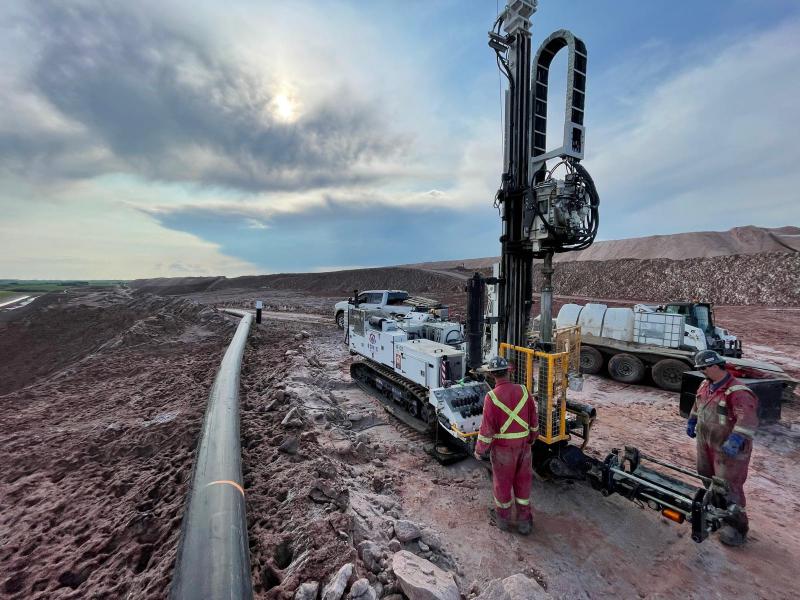
Oil sands development plays a major role in Canada’s energy sector, particularly in regions like Alberta where vast bitumen deposits lie beneath the surface. Extracting this resource requires specialized drilling and recovery techniques tailored to different geological conditions. At Sonic Edge, our work in geotechnical and environmental drilling supports oil sands operations by providing the subsurface data needed to plan, execute, and monitor these projects safely and efficiently.
In this blog, we break down the two primary oil sands drilling methods, surface mining and in-situ extraction, and explore how each approach works, where it is used, and the key differences between them.
What Are Oil Sands?
Oil sands are a mixture of sand, clay, water, and bitumen, a heavy, viscous form of crude oil. Unlike conventional oil reserves, bitumen does not flow easily and must be extracted using more intensive recovery methods.
Oil sands deposits are typically categorized based on depth:
- Shallow deposits (within ~75 metres of the surface) are mined using surface mining techniques
- Deep deposits require in-situ drilling methods to recover bitumen underground
Understanding the location and characteristics of these deposits begins with detailed geotechnical site investigation and subsurface analysis, areas where Sonic Edge provides critical support through drilling and core sampling.
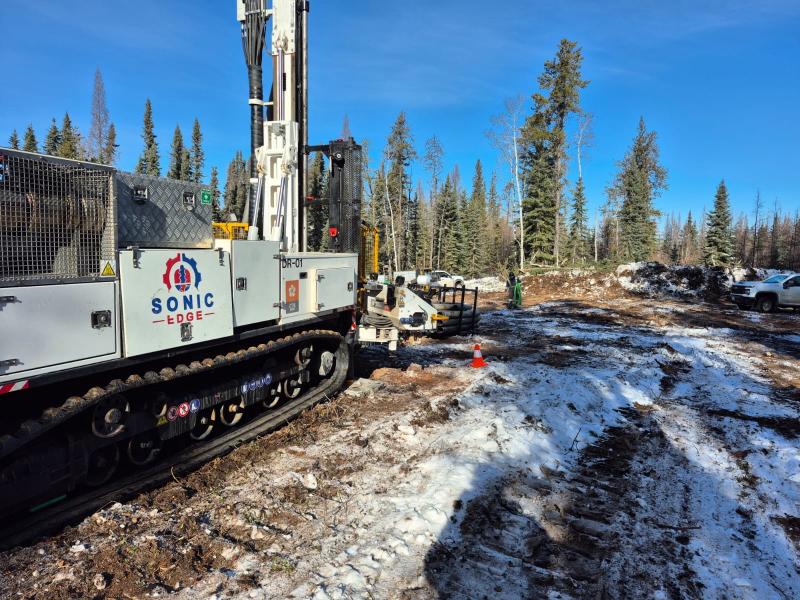
Surface Mining: Large-Scale Extraction at Shallow Depths
Surface mining is used when oil sands deposits are located close to the ground surface. This method involves removing overburden (soil and rock) to expose the oil sands, which are then excavated and transported for processing.
How Surface Mining Works
- Land clearing and overburden removal
- Excavation of oil sands using heavy equipment
- Transport to processing facilities
- Bitumen separation using hot water extraction
Key Advantages
- High recovery rates of bitumen
- Efficient for large, shallow deposits
- Established and widely used technology
Key Challenges
- Significant land disturbance
- Tailings management and water use
- Environmental reclamation requirements
Geotechnical drilling plays an important role in surface mining operations by supporting ground stability assessments, slope design, and infrastructure planning. Accurate borehole logging and soil sampling help ensure safe excavation and long-term site management.
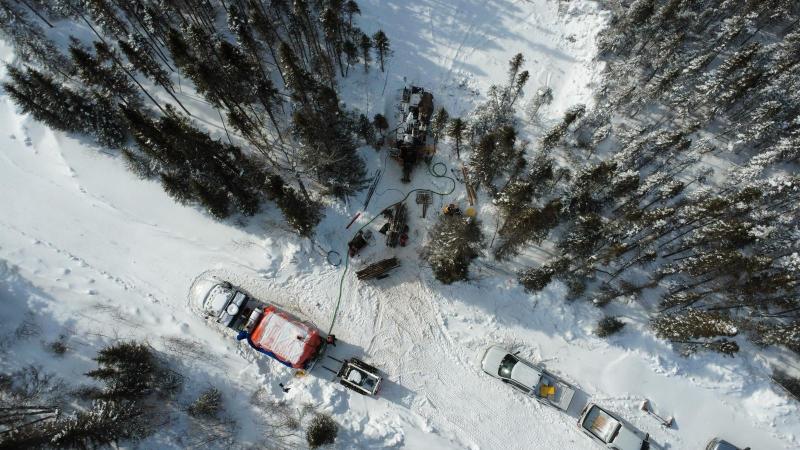
In-Situ Drilling: Recovering Deep Oil Sands
When oil sands deposits are too deep for surface mining, in-situ (in place) methods are used. These techniques rely on drilling wells to access and extract bitumen underground without removing the overlying material.
The most common in-situ method is Steam-Assisted Gravity Drainage (SAGD).
How In-Situ Drilling Works (SAGD)
- Two horizontal wells are drilled into the oil sands formation
- Steam is injected into the upper well to heat the bitumen
- Heated bitumen becomes less viscous and flows downward
- The lower well collects the bitumen and pumps it to the surface
Key Advantages
- Minimal surface disturbance compared to mining
- Access to deeper reserves
- Reduced need for large-scale excavation
Key Challenges
- High energy requirements for steam generation
- Complex drilling and reservoir management
- Dependence on accurate subsurface data
This is where Sonic Edge’s expertise in environmental and geotechnical drilling becomes essential. Precise core recovery, rock formation analysis, and subsurface soil analysis help operators understand reservoir conditions and optimize well placement.
Surface vs In-Situ: Key Differences
|
Feature |
Surface Mining |
In-Situ Drilling |
|
Depth |
Shallow deposits |
Deep deposits |
|
Method |
Excavation |
Drilled wells |
|
Surface Impact |
High |
Lower |
|
Recovery Process |
Mined and processed |
Heated underground |
|
Infrastructure |
Large mining operations |
Well pads and pipelines |
Both methods rely heavily on accurate geotechnical assessment and environmental drilling to guide decision-making and ensure safe, efficient operations.
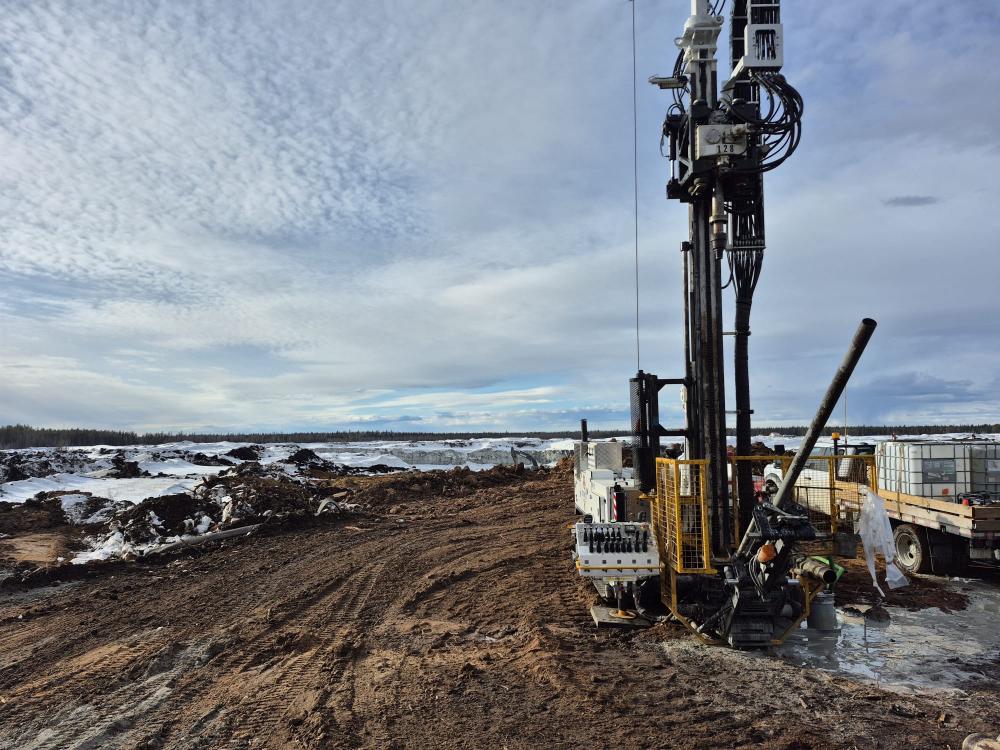
The Role of Geotechnical Drilling in Oil Sands Projects
Oil sands drilling methods do not operate in isolation. Before any extraction begins, detailed site investigation is required to assess ground conditions, identify risks, and inform engineering design.
Sonic Edge supports oil sands projects through:
- Geotechnical core drilling for soil and rock testing
- Borehole logging to understand stratigraphy and formation changes
- Environmental assessment drilling to detect subsurface contamination
- Ground stability assessment for infrastructure and well pad design
- Subsurface analysis to support reservoir and engineering decisions
Advanced drilling equipment, including sonic drilling rigs, allows for high-quality core sample extraction in complex soil conditions, improving data accuracy and project outcomes.
Environmental Considerations in Oil Sands Extraction
Both surface and in-situ methods must meet strict environmental regulations. Environmental drilling methods are used throughout the project lifecycle to monitor and manage impacts.
Key considerations include:
- Groundwater protection and monitoring
- Soil and water contamination detection
- Land reclamation and restoration
- Emissions and energy use
Geotechnical and environmental drilling programs provide the data needed to meet regulatory requirements and ensure responsible resource development.
Choosing the Right Method
The choice between surface mining and in-situ drilling depends on several factors:
- Depth and thickness of the oil sands deposit
- Geological conditions and rock formation characteristics
- Environmental constraints and land use
- Economic feasibility and project scale
Accurate geotechnical site investigation and drilling data are critical in evaluating these factors and selecting the most effective extraction method.
Supporting Oil Sands Projects with Reliable Data
Oil sands extraction requires a careful balance of engineering, environmental responsibility, and subsurface understanding. Whether a project uses surface mining or in-situ drilling, success depends on accurate data gathered through expert drilling practices.
Choose Sonic Edge for Oil Sands Projects
At Sonic Edge, we provide the geotechnical and environmental drilling services that oil sands operators rely on to plan, assess, and execute projects with confidence. From core recovery and soil sampling to detailed subsurface analysis, our team delivers the insights needed to support safe and efficient oil sands development across Canada. Contact Sonic Edge today for more information.