
Casing Setting
What is Casing Setting?
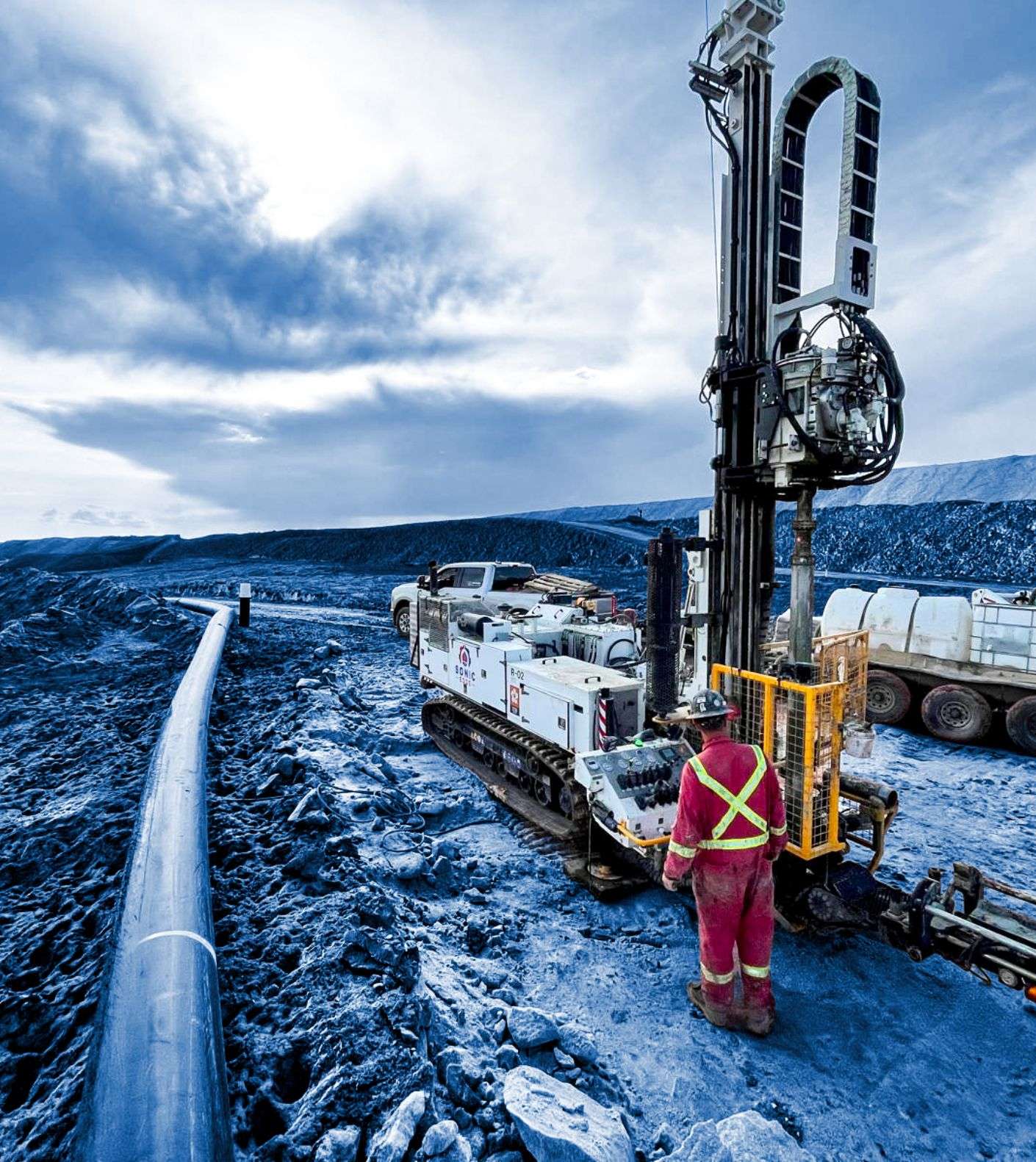
Casing setting in oil sands drilling refers to the process of installing steel casing into a drilled borehole to stabilize the well, control formation fluids, and prepare for bitumen extraction. This is a critical component in the construction of oil sands wells, particularly those used in in-situ recovery methods like Steam-Assisted Gravity Drainage (SAGD) and Cyclic Steam Stimulation (CSS).
Purpose of Casing in Oil Sands Drilling
Oil sands formations—especially in the Athabasca region of Alberta—are made of unconsolidated sand, saturated with heavy bitumen and often underlaid by water-bearing zones. Casing serves several key purposes:
Types of Casing in Oil Sands Wells
1. Surface Casing
- First casing string installed after shallow drilling.
- Extends from surface to a depth below freshwater aquifers.
- Cemented in place to prevent fluid migration.
2. Intermediate Casing (used in complex formations)
- Optional; provides additional isolation between surface and production zones.
3. Production Casing (or Liner)
- Reaches into the oil sands reservoir (e.g., McMurray Formation).
- Cemented or hung as a liner depending on well design.
- May contain slots or screens to allow bitumen flow in production wells.
Casing Setting Process
1. Drill to Setting Depth
- Use mud rotary or directional drilling to reach casing seat.
- In SAGD, this often includes drilling horizontal laterals in the reservoir.
2. Run Casing String
- Lower casing into the borehole.
- Use centralizers to keep it centered and allow even cementing.
3. Cementing
- Pump cement down the casing and back up the annular space between the casing and borehole wall.
- Creates a seal to prevent gas or fluid migration.
4. Pressure Testing and Logging
- Test casing integrity.
- Use cement bond logs to verify cement placement quality.
| Purpose | Description |
| Borehole stabilization | Prevents collapse in loose, unconsolidated sands and clays |
| Isolation of zones | Seals off water, gas, or non-target strata to prevent cross-contamination |
| Support for tubing | Acts as a structural foundation for inner well components (tubing, packers, etc.) |
| Well integrity | Ensures long-term functionality and safety, especially under thermal stress (from steam injection) |
Considerations Specific to Oil Sands
| Challenge | Engineering Solution |
| Thermal expansion (from steam injection) | Use of thermal casing grades or expansion joints |
| Sands production | Screens or slotted liners to control sand while allowing bitumen flow |
| Shallow depth (compared to conventional reservoirs) | Precise casing placement is critical to maximize recovery |
| Steam breakthrough zones | Proper zonal isolation and packers prevent premature steam escape |
Typical SAGD Well Casing Example
| Well Type | Casing Configuration |
| Injector well | Surface casing + slotted production liner |
| Producer well | Similar setup, with pump and tubing added |
In paired horizontal wells, casing is set at different depths for the steam injector (above) and bitumen producer (below), with exact spacing managed carefully for optimal heat distribution and drainage.
Summary
| Aspect | Details |
| Casing Setting | Installing steel casing strings in oil sands wells |
| Main Functions | Stabilize borehole, isolate zones, support production hardware |
| Used In | SAGD, CSS, pilot wells, delineation wells |
| Challenges | Thermal stress, unconsolidated sands, shallow depths |
| Key Components | Surface casing, production casing/liner, cement, centralizers |