
Core Sampling & Handling
What is Core Sampling (2-6 inch diameter) and Handling?
Core sampling is a geotechnical and geological method for retrieving cylindrical sections of soil or rock (called cores) from beneath the surface using hollow drilling tools. These samples range in size—typically 2 inches to 6 inches in diameter—and are collected for stratigraphic logging, material testing, mineral analysis, and foundation design.
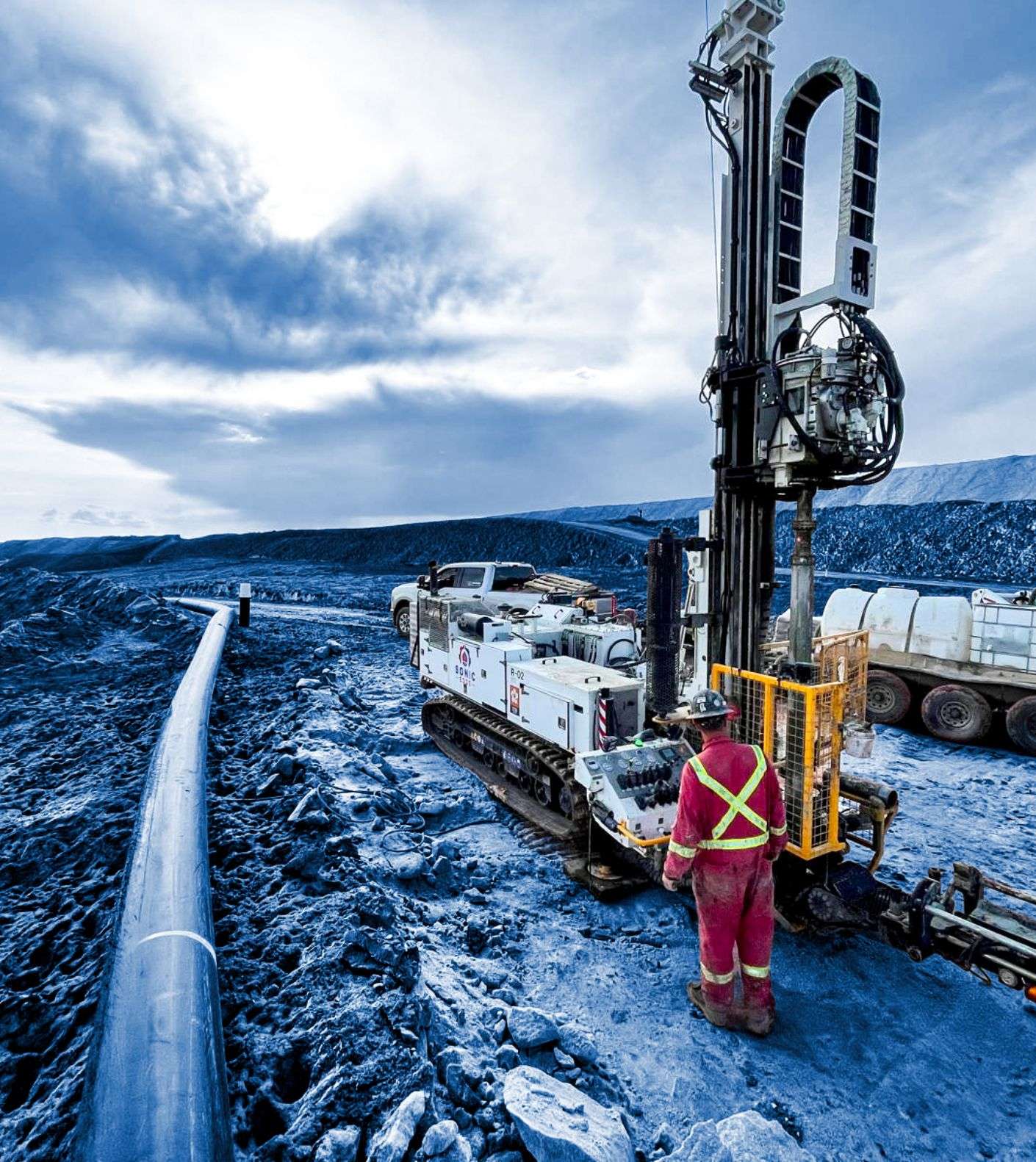
What Is Core Sampling?
Core sampling involves using a hollow drill barrel fitted with a cutting bit to extract a continuous column of material from the subsurface. The core provides a relatively undisturbed view of the stratigraphy and allows for comprehensive laboratory testing.
Core Sizes (2 to 6 Inches)
Core diameters vary depending on the investigation type and expected ground conditions. The most common sizes include:
| Core Diameter | Core Type | Use Case |
| 2 inch (50 mm) | NQ (47.6 mm core) | Mineral exploration, general profiling |
| 3 inch (76 mm) | HQ (63.5 mm core) | Geotechnical studies, rock strength |
| 4 inch (100 mm) | PQ (85 mm core) | Large fragment recovery, rock mechanics |
| 6 inch (150 mm) | Custom or auger-based | Environmental, pavement, large-scale testing |
Selection Factors:
- Smaller cores: Easier, cheaper to drill, but may not represent fractured/heterogeneous zones well.
- Larger cores: Higher recovery and better for mechanical and structural testing.
Core Sampling Tools & Methods
a. Diamond Core Drilling
- Rotary drilling method using a diamond-studded bit
- Common for rock cores (NQ, HQ, PQ)
- Provides high recovery and clean samples
b. Shelby Tube Sampling
- Thin-walled tube pushed into soft soils
- Typically yields 3” diameter undisturbed cores
c. Split Spoon (SPT) Sampling
- Driven into soil using hammer blows
- Produces disturbed 2” diameter cores (not suitable for strength testing)
d. Auger Core Sampling
- Hollow stem augers used to cut through soil
- Soil collected from inside barrel; core may be less defined but can reach larger diameters (up to 6″)
Core Handling Best Practices
a. Retrieval
- Extract core carefully to avoid breakage
- Record depths and orientation as accurately as possible
b. Logging
- Visually describe each core section:
- Color, texture, moisture
- Stratigraphy changes
- Rock quality designation (RQD)
- Fractures, joints, bedding
c. Preservation
- Place core in labeled core boxes with depth markers
- Soft soils: seal with plastic wrap or aluminum foil
- Rocks: secure in trays with padding to reduce shock
d. Transportation
- Avoid vibration or temperature extremes
- Keep upright orientation if samples are sensitive
- Deliver to lab promptly for moisture-sensitive tests
e. Testing
- Strength (UCS, triaxial, direct shear)
- Permeability, porosity
- Grain size, Atterberg limits (for soil)
- Petrographic or chemical analysis (for rock/mineral)
Common Applications
| Sector | Application |
| Geotechnical | Foundation design, slope stability, embankment analysis |
| Environmental | Soil contamination, stratigraphy profiling |
| Mining | Ore body delineation, grade control |
| Civil infrastructure | Pavement subgrade evaluation, tunneling studies |
Summary
| Attribute | Details |
| Core Sizes | Typically 2″ to 6″ diameter |
| Core Types | Soil and rock cores |
| Methods | Diamond drilling, Shelby tube, SPT, auger |
| Handling | Logging, boxing, sealing, careful transport |
| Best For | Stratigraphy, strength testing, material charac |