
Hydrogeological Monitoring Programs
What are Hydrogeological Monitoring Programs?
Hydrogeological monitoring programs are structured efforts to observe, measure, and analyze groundwater conditions over time. These programs are essential for understanding the behavior, quality, and movement of groundwater in relation to environmental impacts, resource management, construction activities, and regulatory compliance.
They are implemented in a wide range of projects, including mining, infrastructure development, contaminated site remediation, landfills, tailings storage facilities, and groundwater supply systems.
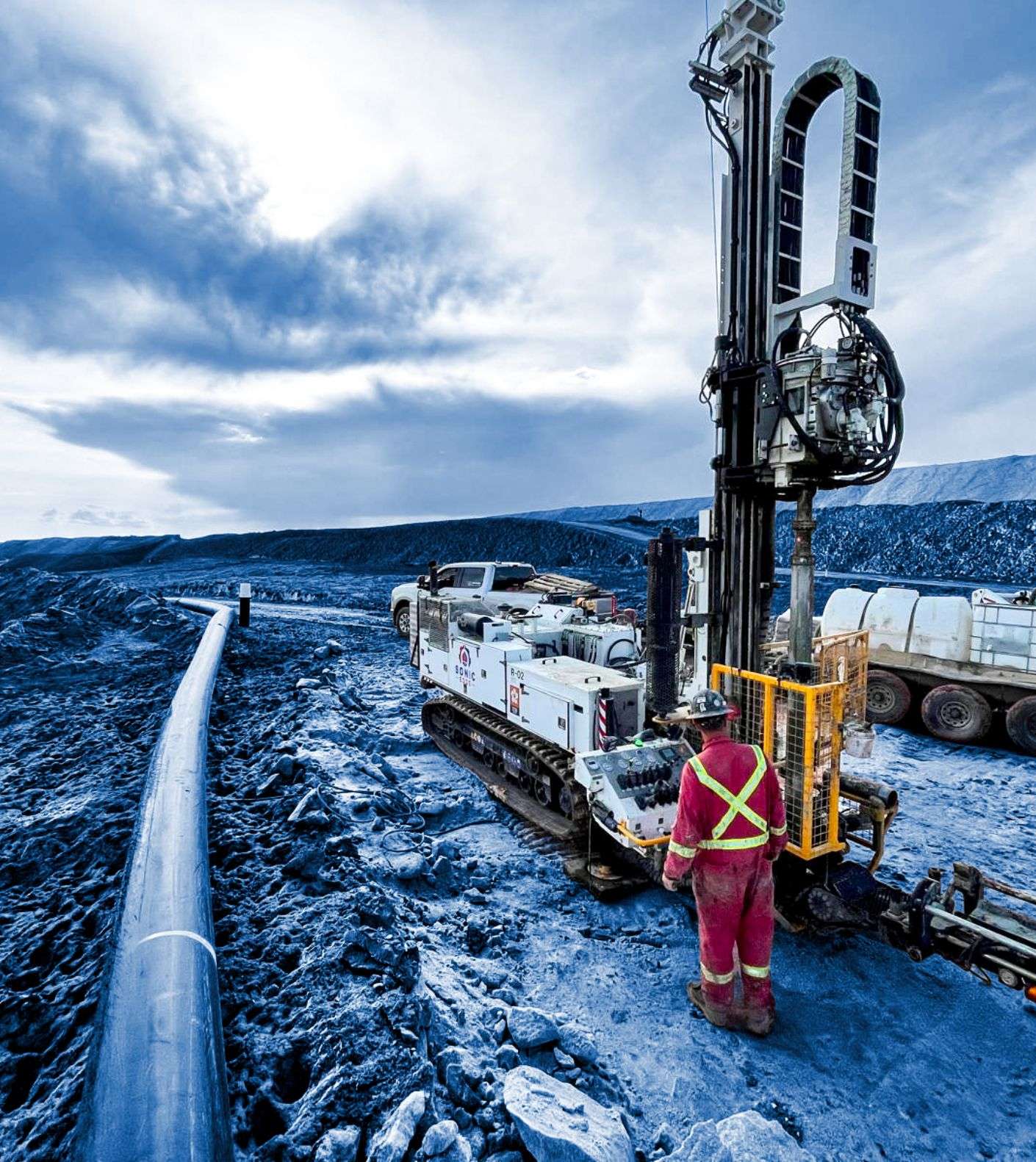
Key Components of a Hydrogeological Monitoring Program
1. Monitoring Well Network
- Piezometers or multi-level monitoring wells installed at various depths.
- Well locations based on:
- Known aquifers and geological formations
- Proximity to potential sources of impact (e.g., mines, landfills, tailings)
- Flow paths and groundwater gradients
2. Water Level Monitoring
- Manual methods: Water level tapes, electric sounders
- Automated sensors: Pressure transducers or data loggers
- Frequency: From hourly (automated) to monthly/seasonal (manual)
3. Groundwater Quality Sampling
- Parameters tested may include:
- pH, electrical conductivity, dissolved oxygen
- Major ions: Ca²⁺, Mg²⁺, Cl⁻, SO₄²⁻, Na⁺, HCO₃⁻
- Metals: Arsenic, iron, manganese, etc.
- Nutrients: Nitrate, phosphate
- Organic compounds: Hydrocarbons, solvents, pesticides
- Collected using low-flow sampling, bailers, or bladder pumps
- Samples analyzed in certified laboratories
4. Flow Direction and Gradient Determination
- Based on water table maps constructed from elevation-corrected measurements
- Flow direction arrows plotted on contour maps
- Used to track contaminant plumes or assess aquifer connectivity
5. Pumping Test & Aquifer Characterization (if required)
- Slug tests, constant rate pumping tests, or step-drawdown tests
- Used to estimate:
- Hydraulic conductivity
- Storage coefficient
- Transmissivity
Data Management and Analysis
- Time-series analysis of water levels and chemistry
- Trend evaluation using graphs and statistical tools
- Spatial analysis using GIS tools
- Input for groundwater flow models
- Reporting for stakeholders and regulators
Objectives of Hydrogeological Monitoring
| Objective | Description |
| Track groundwater levels | Understand seasonal fluctuations, recharge, and drawdown patterns |
| Assess groundwater quality | Identify contamination risks or compliance with environmental standards |
| Evaluate flow direction and velocity | Determine aquifer characteristics and flow regimes |
| Detect impacts from human activities | Monitor effects of pumping, dewatering, or construction |
| Support predictive modeling | Calibrate and validate groundwater models (MODFLOW, FEFLOW, etc.) |
| Regulatory compliance | Meet permitting and environmental monitoring requirements |
Typical Applications by Sector
| Sector | Monitoring Purpose |
| Mining | Track drawdown, tailings seepage, pit dewatering impacts |
| Construction | Assess foundation dewatering, influence on adjacent structures |
| Landfills | Monitor leachate migration and aquifer contamination |
| Oil sands | Track thermal plume spread and aquifer responses to SAGD |
| Agriculture | Monitor over-extraction or nutrient leaching |
| Water supply | Long-term aquifer sustainability and recharge studies |
Regulatory and Best Practices
Programs are typically designed to comply with:
- Provincial/state groundwater protection regulations
- Environmental impact assessment conditions
- Best practices and guidance documents, such as:
- Canadian Council of Ministers of the Environment (CCME)
- US EPA Groundwater Monitoring Guidance
- ISO 5667 series (Water quality sampling)
Summary
| Attribute | Description |
| Definition | Systematic tracking of groundwater levels and quality over time |
| Tools Used | Monitoring wells, sensors, sampling pumps, data loggers |
| Measured Parameters | Water levels, flow direction, water chemistry |
| Applications | Mining, remediation, infrastructure, agriculture, water supply |
| Outcome | Risk mitigation, compliance, aquifer protection, informed decision-making |