
Instrumentation Installation (Slope Inclinometers, Vibrating Wire Piezometers and Specialized Instrumentation)
What is Instrumentation Installation?
Instrumentation Installation in geotechnical and civil engineering refers to the process of deploying sensors and monitoring devices in the subsurface or within structures to observe ground behavior, track performance, and detect potential failure mechanisms. Key instruments include Slope Inclinometers, Vibrating Wire Piezometers (VWPs), and other specialized devices tailored to site-specific conditions.
This process is integral to projects involving slopes, dams, tunnels, deep excavations, foundations, and landslides—especially where long-term or real-time monitoring is required.
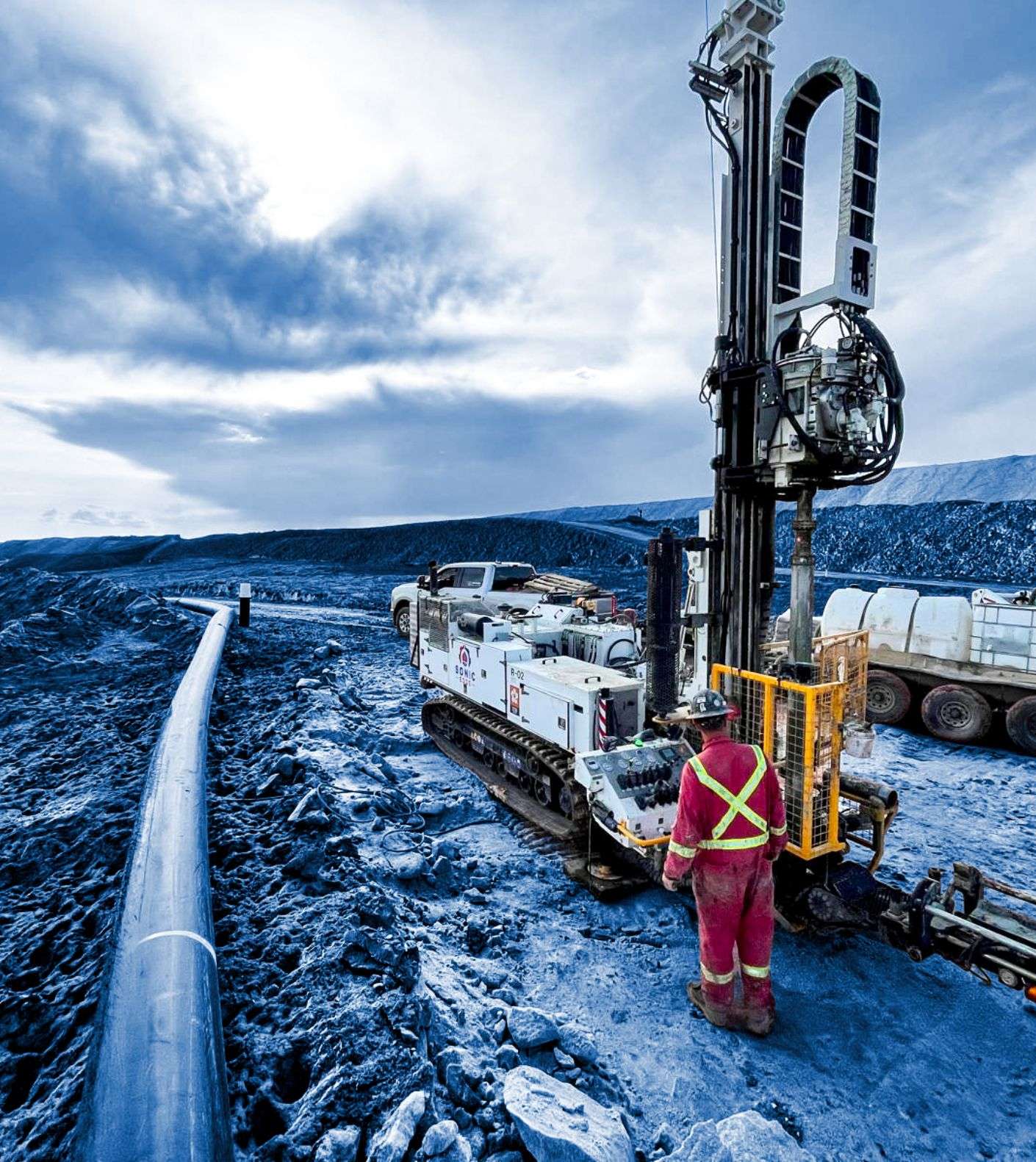
Slope Inclinometers
Purpose:
Measure horizontal or lateral movement in soil or rock over time. They are crucial for assessing slope stability and deformation in retaining walls, embankments, and deep excavations.
Components:
- Inclinometer casing: Grooved PVC or ABS tube installed in a vertical borehole.
- Inclinometer probe: Measures tilt at set intervals.
- Readout unit or automated data logger
Installation Process:
- Drill a vertical borehole to the target depth (often across a suspected slip surface).
- Install inclinometer casing (grooves aligned with expected movement direction).
- Backfill with grout or sand-bentonite mix, ensuring full contact with soil.
- Take initial (baseline) readings.
- Continue monitoring over time to track cumulative lateral movement.
Applications:
- Landslide monitoring
- Embankment stability
- Retaining wall performance
- Tunnel walls and deep cuts
Vibrating Wire Piezometers (VWPs)
Purpose:
Measure pore water pressure (piezometric head) within soil or rock. These are critical for assessing seepage, stability, and drainage effectiveness.
Components:
- VW piezometer sensor (steel tip with vibrating wire transducer)
- Porous filter tip
- Cable to the surface readout or data logger
Installation Process:
- Drill a borehole to the desired depth.
- Place a sand filter around the porous tip for water entry.
- Seal above with bentonite to isolate the sensor zone.
- Route the cable to the surface for manual or automated readings.
- Secure wellhead with protective casing or monument.
Applications:
- Monitoring groundwater fluctuations
- Evaluating drainage system performance
- Assessing slope stability and seepage-induced failure
- Dam embankment and foundation pore pressure control
Specialized Instrumentation
Depending on project complexity and monitoring needs, additional or specialized sensors may be installed:
Specialized Instrumentation
Depending on project complexity and monitoring needs, additional or specialized sensors may be installed:
| Instrument | Purpose |
| Extensometers | Measure vertical or horizontal displacement between anchors |
| Strain Gauges | Track stress or deformation in soil, rock, or structural elements |
| Load Cells | Monitor axial force in anchors, piles, or props |
| Thermistors | Track temperature variations (important in permafrost or thermal projects like SAGD) |
| Settlement Plates or Heave Sensors | Measure surface or subsurface movement (up or down) |
| Automated Total Stations / Prism Monitoring | Provide real-time displacement data on surface structures or slopes |
| Pore Pressure Cells | Alternative to VWPs for specific saturation or low-head conditions |
Installation Considerations
- Drilling method: Must minimize disturbance (Sonic, rotary, auger, etc.)
- Grouting and backfill: Essential for sensor-zone isolation and stability
- Cable management: Proper protection and routing prevent damage
- Baseline readings: Critical for interpreting future movement or pressure change
- Redundancy and spacing: Multiple instruments may be needed for critical zones
Data Collection and Monitoring
| Type | Description |
| Manual | Technicians use handheld readout devices on scheduled visits |
| Automated | Dataloggers collect continuous readings; remote telemetry may be used |
| Alarms/Triggers | Thresholds can trigger alerts for immediate response to potential failure |
Summary
| Instrument Type | Measured Parameter | Installed In | Typical Use |
| Slope Inclinometer | Lateral ground movement | Boreholes in slopes/walls | Detect deformation or sliding |
| VW Piezometer | Pore water pressure | Saturated zones in boreholes | Monitor seepage, stability |
| Specialized Sensors | Stress, strain, displacement, temp | Anchors, piles, embankments | Structure performance & thermal effects |
Instrumentation installation is essential for projects where ground movement, seepage, or settlement pose risks. Proper planning, installation, and monitoring enable engineers to design safely, validate models, and respond to early warnings of failure.