
Reclamation and
Closure
What is Reclamation and Closure?
Reclamation and closure refer to the final stages of a project lifecycle—most commonly in mining, oil and gas, landfills, and other industrial or resource development sites—where the land is safely restored to a stable, environmentally sustainable, and often productive post-use condition. These phases ensure that sites do not pose long-term environmental, safety, or social risks once operations have ceased.
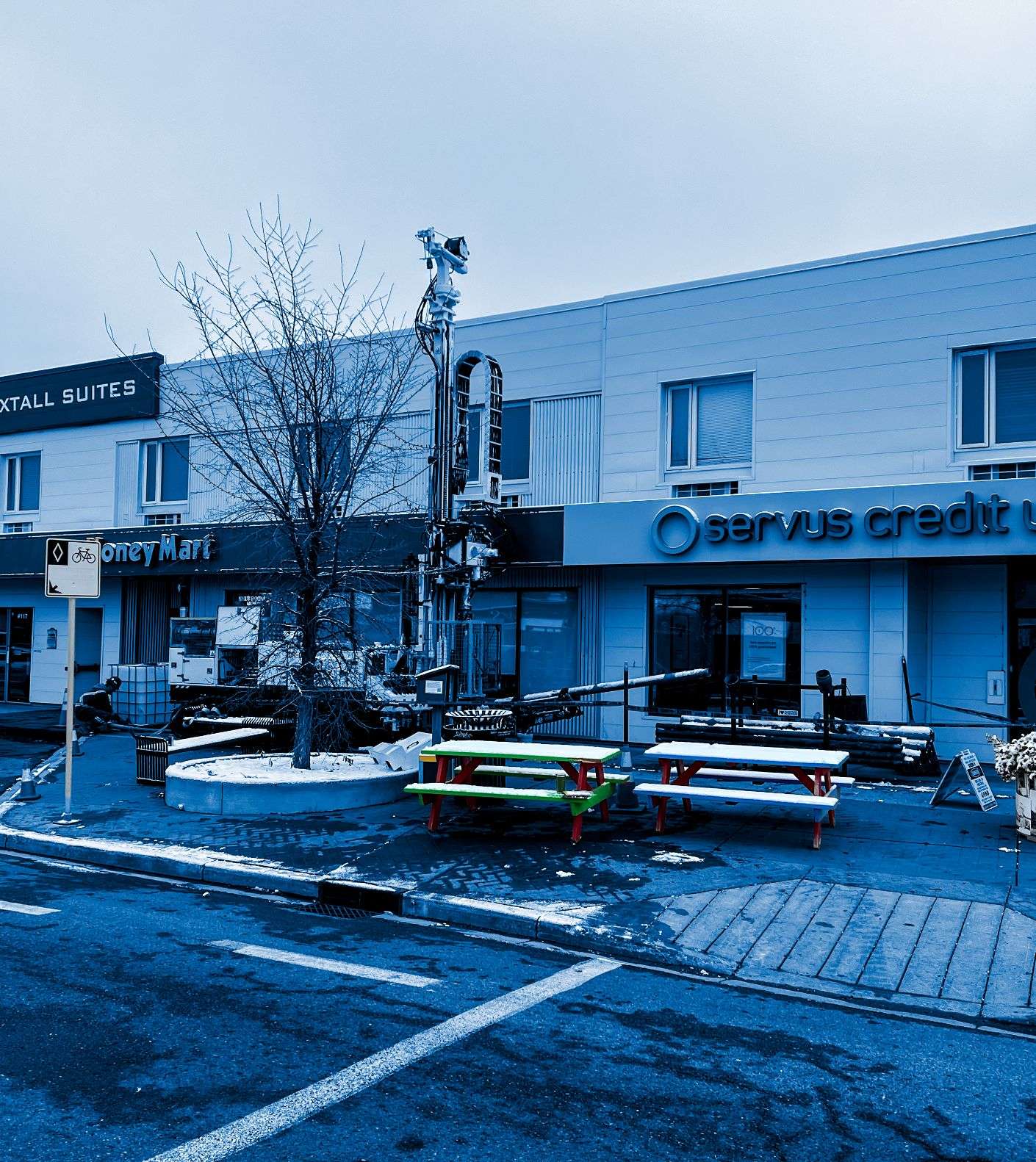
Reclamation
Reclamation is the process of stabilizing, reshaping, and restoring disturbed land following industrial activity to support ecosystem recovery, land use compatibility, or regulatory compliance.
Goals of Reclamation:
- Return land to a self-sustaining state
- Restore pre-development land uses (e.g., forestry, agriculture, wildlife habitat)
- Prevent erosion, subsidence, or leaching of contaminants
- Comply with local, provincial/state, or federal reclamation standards
Closure:
Closure is the formal process of decommissioning a project site, including both physical and administrative actions that mark the end of active operations and the transition to long-term monitoring and land stewardship.
Types of Closure:
- Progressive Closure: Reclamation completed during operations (e.g., inactive areas reclaimed while mining continues)
- Final Closure: Performed after complete cessation of operations
- Post-Closure Monitoring: Ongoing environmental monitoring and maintenance, often required for years or decades
Key Activities
| Task | Description |
| Landform regrading | Contouring of stockpiles, tailings, waste rock piles, or pits to prevent erosion and promote drainage |
| Soil replacement | Placement of topsoil or growth medium to support vegetation |
| Vegetation and revegetation | Seeding or planting native or approved species to establish plant cover |
| Watercourse restoration | Reconstruction of creeks, wetlands, or lakes altered by operations |
| Erosion control | Use of sediment fencing, mats, and diversion ditches to stabilize the site |
| Contaminated site cleanup | Removal or treatment of hydrocarbon spills, metals, or residual waste |
Closure Activities
| Task | Description |
| Infrastructure removal | Dismantling buildings, power lines, pipelines, haul roads |
| Well and borehole abandonment | Sealing and decommissioning drill holes, monitoring wells, production wells |
| Tailings and waste facility capping | Covering with liners, soil, and vegetation to isolate materials |
| Groundwater and surface water management | Installing control structures or treatment systems |
| Monitoring and reporting | Regular environmental data collection and submission to regulators |
| Risk assessment and mitigation | Evaluation of any residual risks (subsidence, acid rock drainage, etc.) |
Summary
| Attribute | Reclamation | Closure |
| Focus | Physical restoration of land and vegetation | Full decommissioning and transition to post-operational phase |
| Timing | During or immediately after operations | After final shutdown or production cessation |
| Activities | Grading, soil replacement, seeding, erosion control | Infrastructure removal, sealing, long-term monitoring |
| Goal | Restore land usability and environmental stability | Ensure long-term safety and compliance |
Reclamation and closure are essential to ensuring that once a site’s productive life ends, it does not leave behind environmental liabilities or hazards to communities. Proper planning, implementation, and monitoring result in responsible land stewardship and enable the eventual return of disturbed lands to beneficial future use.