
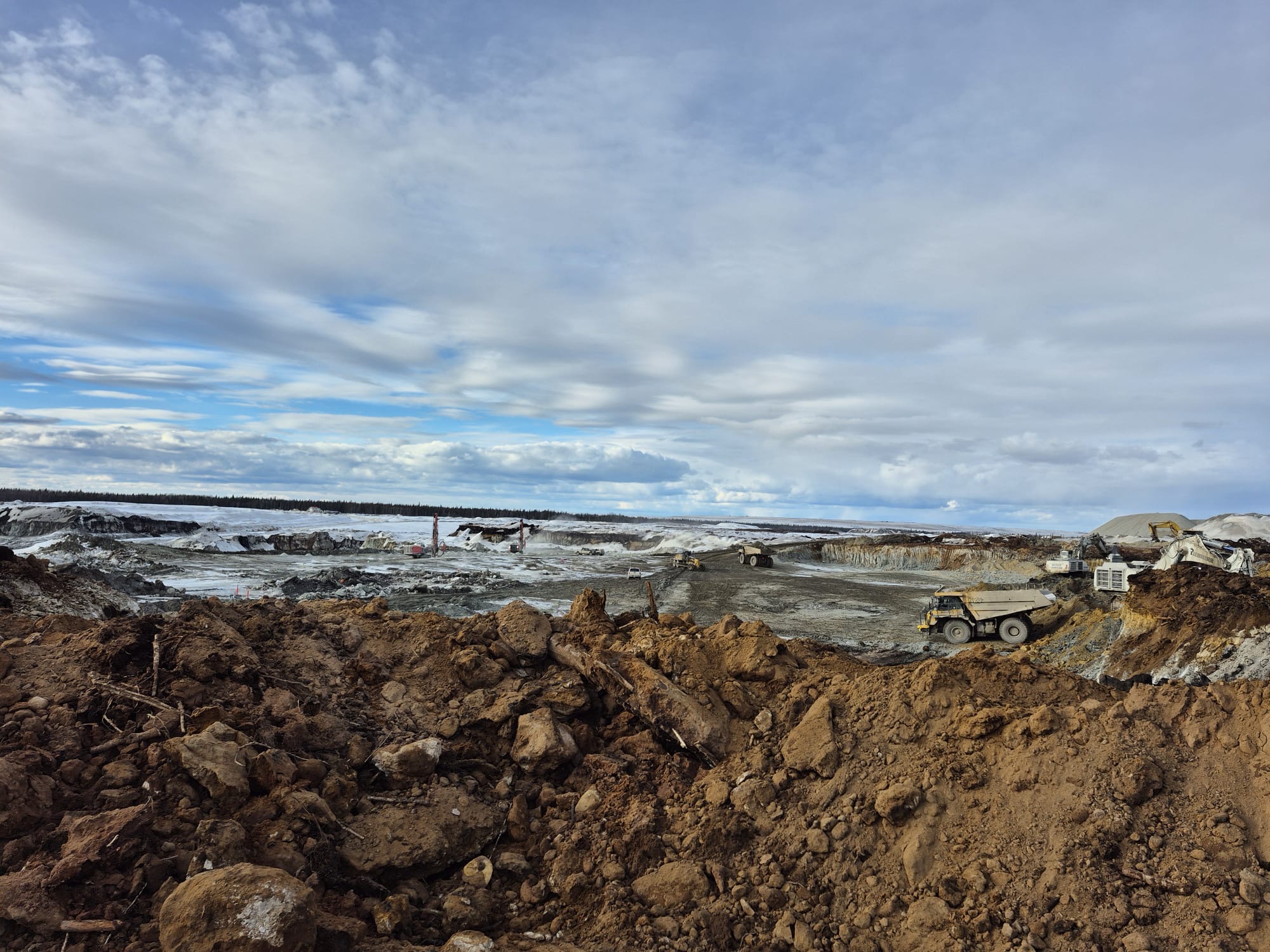
Land reclamation in mining is a critical component of responsible resource development. As demand for minerals continues to grow, the mining industry must balance extraction with environmental responsibility. At Sonic Edge, we understand that effective mine site rehabilitation is not only a regulatory requirement but a long-term investment in environmental restoration, community trust, and sustainable mining practices.
From open-pit mining to large-scale surface mining operations, land disturbance is unavoidable. However, with proper rehabilitation planning, soil stabilization, water management, and ecosystem recovery strategies, mining companies can significantly reduce their environmental footprint and support long-term ecological balance.
In this blog, we explore why mining land reclamation matters, how it works, the technologies used, and what the future of reclamation solutions look like.
What Is Land Reclamation in Mining?
Land reclamation in mining refers to the process of restoring disturbed land to a stable, productive, and environmentally safe condition after extraction activities.
Mining land reclamation typically includes:
- Soil replacement and grading
- Erosion control techniques
- Soil stabilization
- Establishment of vegetation cover
- Water management systems
- Restoration of biodiversity
- Long-term land monitoring
Reclamation begins during project planning and continues through mine closure and beyond. Environmental impact assessment plays a central role in defining site-specific reclamation objectives and post-mining land use strategies.
Why Is Mining Land Reclamation Important?
The environmental and social impacts of open-pit mining and surface mining can be significant if not properly managed. Effective reclamation solutions address these risks directly.
Land reclamation supports:
- Environmental restoration of disturbed ecosystems
- Protection of groundwater and surface water through proper water management
- Reduction of erosion and sediment transport
- Stabilization of slopes and overburden materials
- Reforestation after mining to support ecosystem recovery
- Safe and productive post-mining land use
Without proper mine site rehabilitation, abandoned sites may face long-term instability, contamination concerns, and habitat loss.
Sustainable mining practices require integrating reclamation planning into the full project lifecycle, not treating it as an afterthought.
The Land Reclamation Process: Step by Step
Step 1: Rehabilitation Planning and Environmental Impact Assessment
Before mining begins, environmental impact assessment identifies potential risks to soil, water, and biodiversity. Rehabilitation planning establishes reclamation goals, soil handling procedures, and long-term monitoring strategies.
Step 2: Soil Management and Replacement
Topsoil is carefully stripped and stockpiled during operations. Following extraction, soil replacement and grading restore original land contours and prepare surfaces for vegetation establishment.
Step 3: Soil Stabilization and Erosion Control
Soil stabilization techniques are applied to prevent slope failure and surface runoff. Erosion control techniques may include geotextiles, contouring, drainage channels, and sediment traps.
Step 4: Vegetation Cover and Reforestation
Establishing vegetation cover is critical for ecosystem recovery. Native seed mixes are selected to promote restoration of biodiversity and support reforestation after mining.
Step 5: Water Management Systems
Water management infrastructure is installed to control runoff, manage tailings areas, and prevent contamination. Proper drainage design reduces long-term environmental risks.
Step 6: Long-Term Land Monitoring
Long-term land monitoring ensures reclamation performance objectives are met. Monitoring may continue for years after mine closure to confirm stability and ecological recovery.
What Challenges Do Mining Companies Face in Land Reclamation?
Mining companies face several operational and environmental challenges in land reclamation.
Site-Specific Conditions
Geological variability, climate, and hydrology significantly influence reclamation success. Harsh climates and remote mine sites may limit vegetation growth and ecosystem recovery timelines.
Soil Quality and Stability
Surface mining operations often disturb native soil layers. Restoring proper soil structure through soil replacement and grading is essential for long-term stability.
Water Management Complexity
Managing runoff and groundwater in open-pit mining environments requires engineered drainage systems and careful planning.
Long Timeframes
How long does mine land reclamation take? Initial stabilization may occur within one to three years, but full restoration of biodiversity and ecological balance can take decades.
Regulatory and Community Expectations
Environmental standards continue to evolve. Community engagement in reclamation planning is increasingly important to maintain social license and transparency.
What Technologies Are Used in Modern Land Reclamation?
Advancements in technology are improving reclamation outcomes across the mining industry.
Geospatial Modeling and Drone Surveys
3D terrain mapping supports accurate soil replacement and grading and enhances erosion control planning.
Hydrological Modeling
Advanced modeling tools improve water management design and help predict long-term drainage patterns.
Remote Environmental Monitoring
Sensors and satellite imaging support long-term land monitoring by tracking vegetation growth, soil conditions, and slope stability.
Innovative Soil Stabilization Methods
Modern soil stabilization materials and engineered reclamation solutions enhance slope integrity and reduce environmental risk.
These technologies help mining companies implement more precise and efficient mine site rehabilitation strategies.
How Does Land Reclamation Affect Local Communities?
Land reclamation directly affects surrounding communities in the following ways:
- Reduces environmental hazards
- Protects water sources
- Supports renewable resource management
- Creates opportunities for new post-mining land use
- Contributes to regional economic transition
How does land reclamation affect local communities?
When managed responsibly, it transforms former extraction sites into productive landscapes, recreational areas, wildlife habitats, or renewable energy developments.
Community engagement in reclamation planning ensures land use outcomes align with regional priorities.
Land Reclamation Examples Across the Industry
There are many successful land reclamation examples demonstrating the value of proactive rehabilitation.
Reclaimed sites have been converted into:
- Agricultural land
- Wetlands and wildlife corridors
- Recreational parks
- Solar and wind energy facilities
- Mixed-use development sites
These examples highlight how mining land reclamation contributes to sustainable mining practices and long-term ecological balance.
What Is the Future of Land Reclamation in Mining?
The future of land reclamation in mining is centered on accountability, innovation, and reducing environmental footprint.
Emerging priorities include:
- Integrating reclamation into early mine design
- Strengthening environmental restoration standards
- Increasing transparency in environmental impact assessment
- Expanding renewable resource management initiatives
- Improving ecosystem recovery metrics
As regulatory expectations grow and sustainability becomes central to project financing, mining companies must demonstrate measurable reclamation performance.
The mining industry’s long-term viability depends on its ability to responsibly manage land from exploration through mine closure and beyond.
FAQ: Land Reclamation in Mining
What challenges do mining companies face in land reclamation?
Site variability, soil instability, water management complexity, regulatory requirements, and long-term ecological recovery timelines are primary challenges.
What technologies are used in modern land reclamation?
Geospatial mapping, hydrological modeling, remote monitoring systems, advanced soil stabilization techniques, and engineered reclamation solutions are commonly used.
How long does mine land reclamation take?
Initial stabilization may occur within a few years, but full ecosystem recovery and restoration of biodiversity can take decades depending on site conditions.
How does land reclamation affect local communities?
It reduces environmental risk, protects water resources, supports new land uses, and strengthens community trust.
What is the future of land reclamation in mining?
The future focuses on sustainable mining practices, improved monitoring, innovative reclamation solutions, and measurable environmental restoration outcomes.
Partner with Sonic Edge for Reliable Post-Mining Land Use
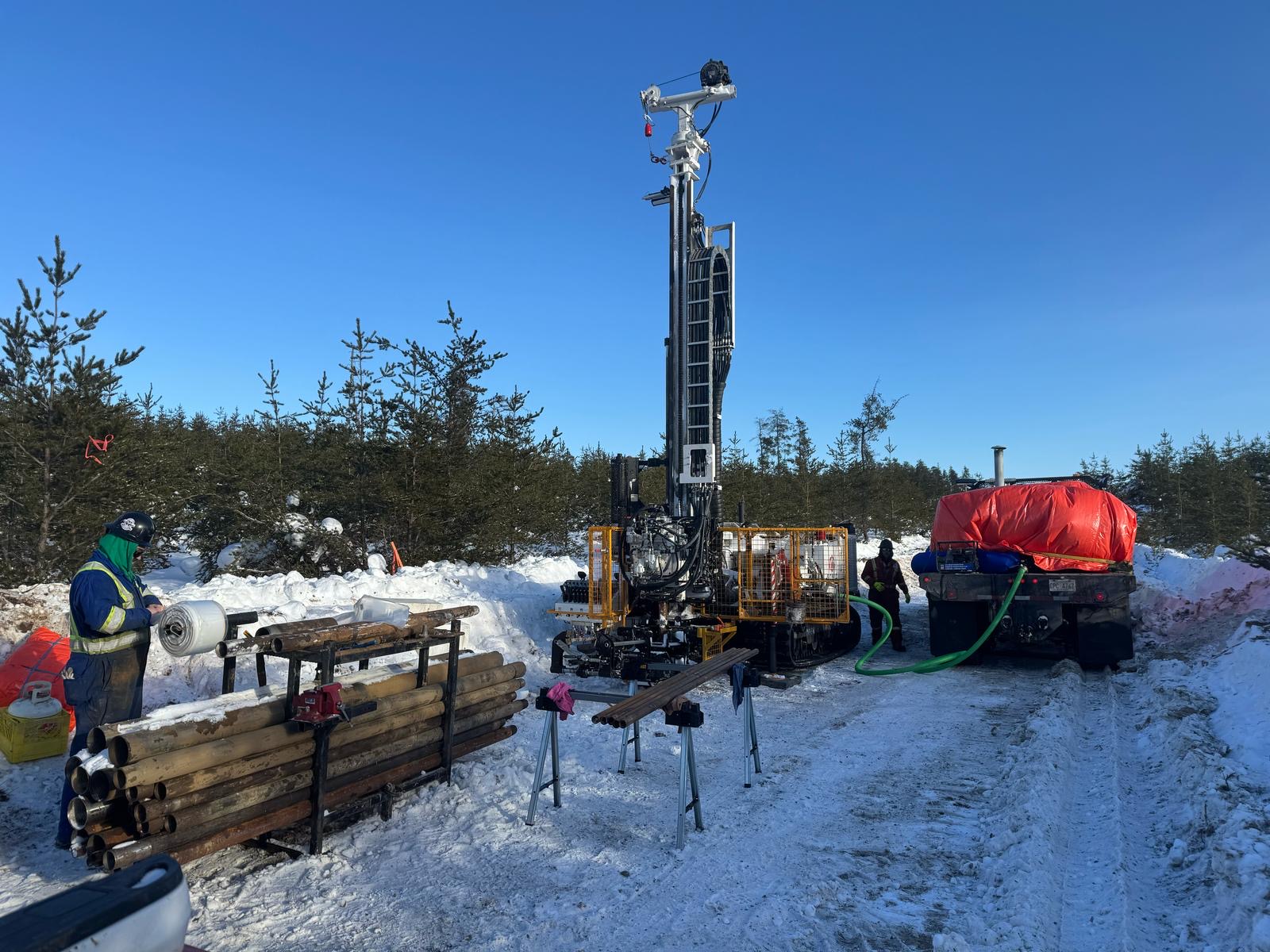
At Sonic Edge, we support mining companies and environmental teams with advanced drilling services that guide environmental impact assessment, water management, soil stabilization, and long-term land monitoring to ensure responsible mine closure and sustainable post-mining land use. Ready to support your next mining or reclamation program? Let’s talk.
